When you lay a new driveway, you think about how it will handle daily traffic, how water will drain away, and how it will look from the kerb. Similarly, when refreshing a garden border, the first things that we give thought to are colour and texture, and how the space will fit in with the remaining outdoor area.
However, the importance of aggregates is something that should be given equal, if not additional, consideration. Why? They play a key role in these projects and a wide range of outdoor work. The right aggregate choice influences performance, helps drainage, and brings the whole finish together, making your project both functional and visually cohesive.
The Three Types of Aggregates
Construction Aggregates
Construction aggregates act as a key building material, including sand, gravel, MOT Type 1, crusher run, and ballast. These all offer support for structures, along with drainage.
In Northamptonshire, where clay-heavy soils are common, a well-compacted sub-base for driveways and hardstanding areas is very helpful. Because MOT Type 1 has brilliant load bearing, it’s often used.
Crusher run comes into its own when creating a solid, low-void base, and sharp sand or ballast is commonly mixed into concrete for foundations and footings.
If you're doing drainage work, laying pipes, or building a path, this is the category you'll be working with most.
Decorative Aggregates
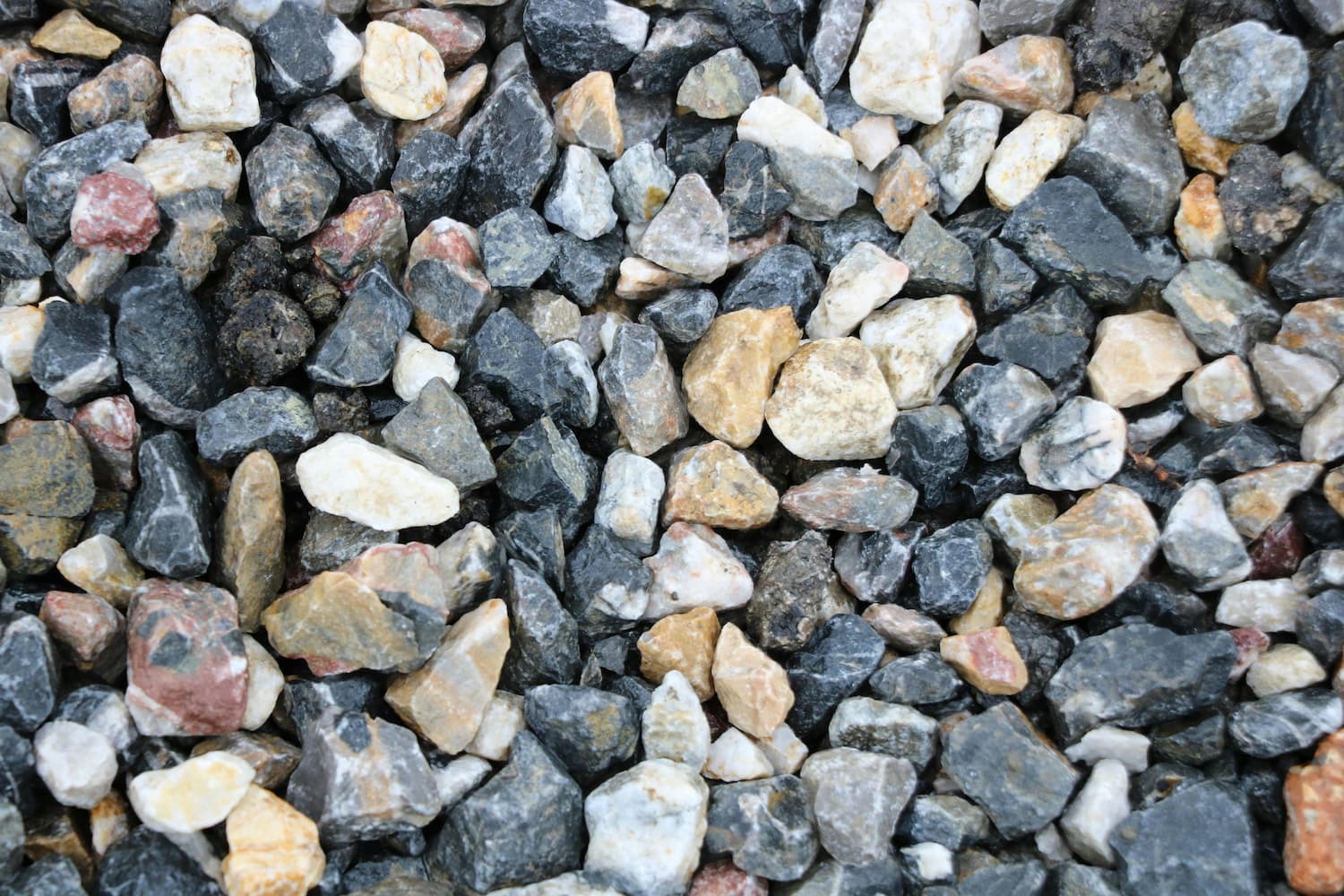
Decorative aggregates are most popular for aesthetic appearance, though many also serve a practical function. Golden gravel, slate chippings, and white spar are popular choices for driveways, borders, and garden paths.
They're low maintenance, permeable (which matters for planning purposes on larger driveways), and can transform the look of an outdoor space. Slate chippings work particularly well as a mulch alternative around planting beds, suppressing weeds while keeping moisture in the soil.
If you're working with a landscaper or doing the garden yourself, decorative aggregates have a clean, finished look without much upkeep.
Landscaping and Soil Products
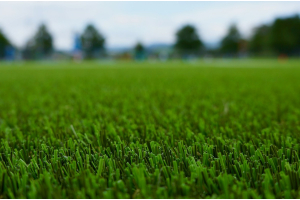
When we talk about landscaping and soil aggregates, we’re talking about topsoil, bark mulch, and turf, as well as grano dust, tarmac, and rock salt.
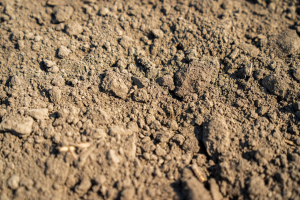
Landscapers in the Northamptonshire region know how important topsoil is, an essential for planting projects, lawn preparation, and raised beds. Ground conditions in this part of the world vary between heavy clay and lighter sandy soils, depending on the area; this means quality screened topsoil is a massive help both in terms of quality and growth of plants.
Bark mulch is often used in both domestic and commercial landscaping as a ground cover that retains moisture and suppresses weed growth. Grano dust is often used as a bedding material under block paving, and rock salt is a practical winter aid for gritting roads and car parks.
Comparison Table of Different Aggregates
Aggregate | Best Use | Key Benefit |
MOT Type 1 | Driveways and sub bases | High load-bearingload bearing when compacted |
Crusher Run | Path bases and trench fill | Binds well |
Sharp Sand / Ballast | Concrete mixes and foundations | Structural strength |
Gravel / Chippings | Driveways and borders | Decorative and permeable |
Slate Chippings | Garden beds and paths | Weed suppression and visual appeal |
Topsoil | Lawns, planting, raised beds | Supports healthy plant growth |
Bark Mulch | Borders, landscaping | Moisture retention |
Grano Dust | Block paving beds | Fine, compactable bedding layer |
Rock Salt | Winter gritting | Ice and frost prevention |
The Best Aggregate
When picking aggregates, think about what you are building or improving.
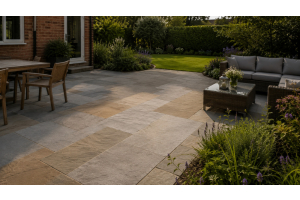
New driveways and hardstanding benefit from MOT Type 1as a sub-base, then either a decorative gravel topping or a bound surface material like tarmac or resin. On concrete jobs, sharp sand and ballast are your foundations. For garden landscaping, it's usually a combination of topsoil for planting areas and decorative chippings or gravel for paths and borders.
If you're unsure, think about the function first of all: does it need to bear weight, drain water, look good, or support plant growth? A lot of projects need more than one type, and getting the layers right from the ground up is what makes the difference between a job that lasts and one that needs redoing.
Order Aggregates Online at Joseph Parr Northants
You can find aggregates for every application here at Joseph Parr Northants, which are designed with both aesthetics and practicality in mind.
Hopefully, you now have a better understanding of the different aggregates and where to use them. To find out more, feel free to get in touch.