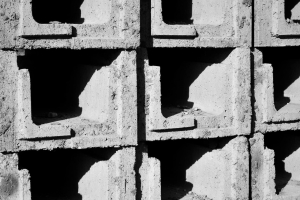
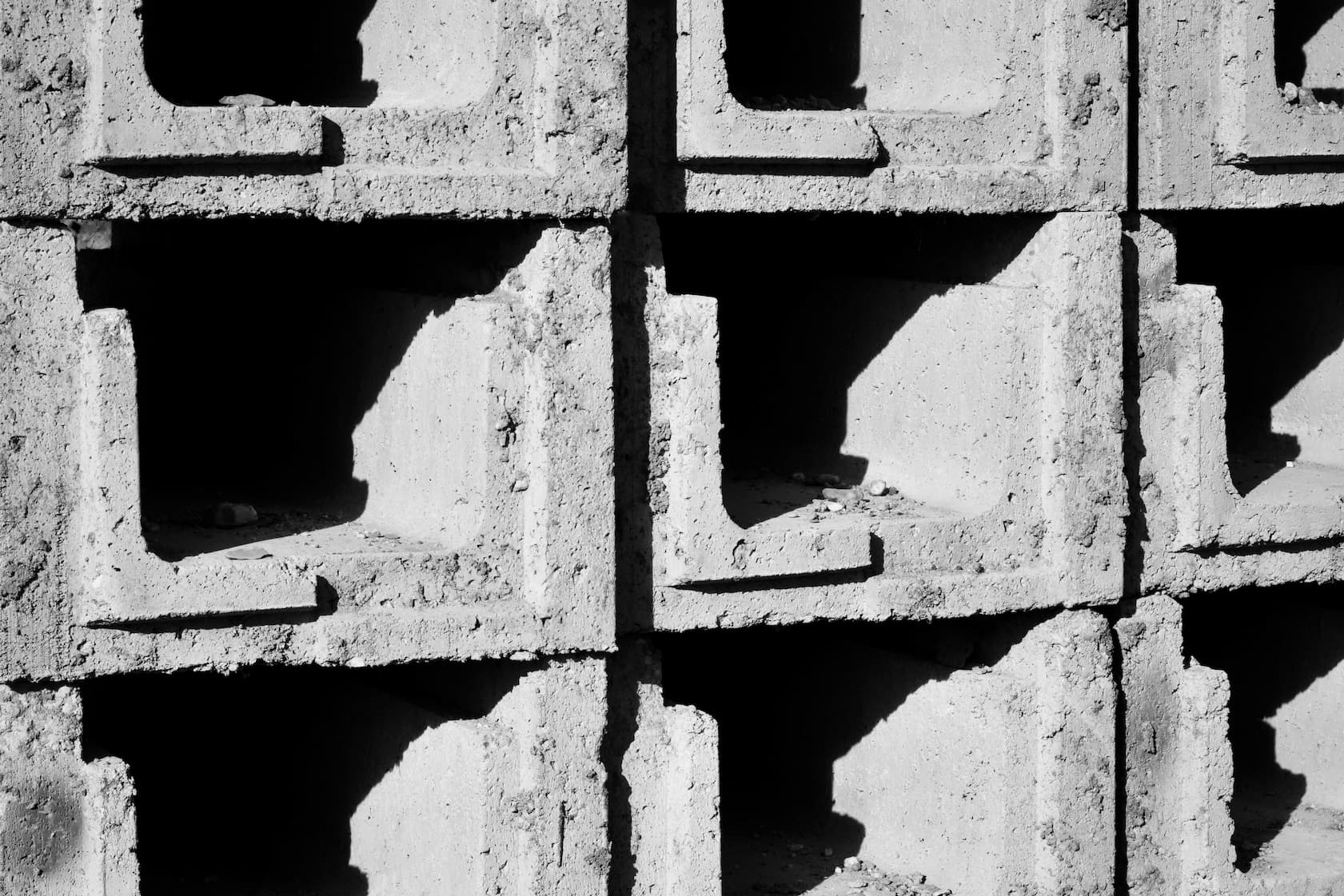
While many may be familiar with dense concrete blocks for fortifying structures, breeze blocks provide many benefits to a variety of decorative and load-bearing applications.
But what parameters make these blocks different, and how can you tell which block is best suited for you?
What Are Dense Concrete Blocks?
Often referred to as either solid dense or high density blocks, dense concrete blocks are made using natural aggregates, like gravel and limestone.
Usually, they range between 1,850 and 2,100 kg/m³ in terms of density and can be purchased in solid, cellular, and hollow formats.
The standard face size across the UK is 440 x 215mm, but bear in mind that thickness can vary from 100mm to 215mm; this depends on the structural demand.
A standard 100mm dense solid block weighs around 20kg, something else to factor in when you’re mapping out labour requirements and manual handling.
Dense Block Advantages
Dense blocks are commonly chosen because of their supreme sound insulation for
When you lay a new driveway, you think about how it will handle daily traffic, how water will drain away, and how it will look from the kerb. Similarly, when refreshing a garden border, the first things that we give thought to are colour and texture, and how the space will fit in with the remaining outdoor area.
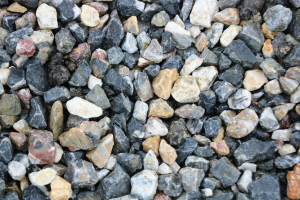
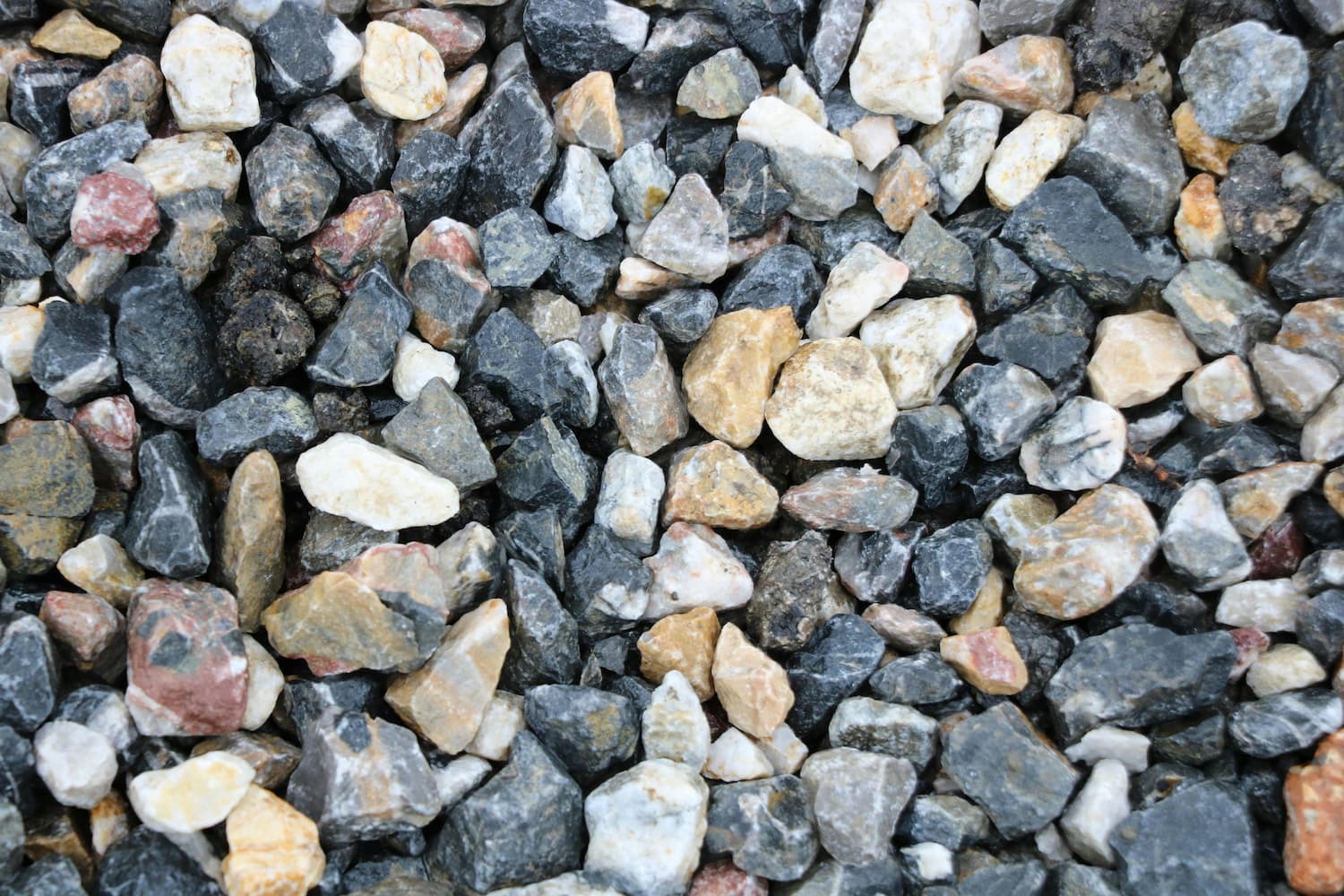
However, the importance of aggregates is something that should be given equal, if not additional, consideration. Why? They play a key role in these projects and a wide range of outdoor work. The right aggregate choice influences performance, helps drainage, and brings the whole finish together, making your project both functional and visually cohesive.
The Three Types of Aggregates
Construction Aggregates
Construction aggregates act as a key building material, including sand, gravel, MOT Type 1, crusher run, and ballast. These all offer support for structures, along with drainage.
In Northamptonshire, where clay-heavy soils are common, a well-compacted sub-base for driveways and
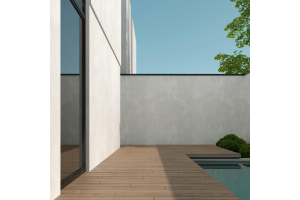
Good decking really sets the tone for the rest of an outdoor space.
Many homeowners in Northamptonshire wonder whether to go for timber or composite decking when planning out a new garden layout.
The reality? It depends on budget, how much upkeep you’re willing to take on, and how you want your outdoor space to look. Our guide covers the comparisons between the two, helping you choose between composite and timber decking.
What Is Timber Decking?
Cut from natural wood, either softwood or hardwood, timber decking has been the most common decking choice in the UK for decades, and still remains the most popular.
The natural grain and earthy tones of timber draw many homeowners to this decking, and for gardens in towns, a traditional kind of vibe aligns brilliantly with period properties; as such, timber often feels like the natural fit.
Softwood options are widely available and cost less upfront. But they require regular treatment to hold up against the wet East Midlands winters. Hardwoods