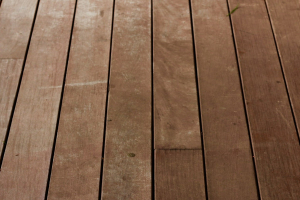
There are four key areas to look at if you are choosing decking boards. These are wood species, profile, thickness, and treatment.
In UK gardens, we’ve found timber decking boards are up there with the most popular choices. They're natural underfoot, straightforward to work with, and available in a range of species and sizes to suit most budgets. Building a small patio platform or a larger outdoor entertaining area? The right board makes a significant difference to how the finished deck looks and how long it lasts.
If you’re able to get the above correct, the rest of this project falls into place. Ready to decide what timber decking board suits your project best? Read on.
Wood Species
Softwood is the most widely used option in the UK. Softwood boards thrive due to their affordability; they’re also readily available and come pre-treated to handle outdoor conditions. They take stain and paint well, so you can match them to any outdoor scheme. With annual treatment, a softwood deck will last 15 to 20 years.
A denser option is hardwood boards, which are naturally more resistant to rot and insects. They hold a richer and darker grain that doesn't need staining. The trade-off is cost and availability. Balau and ipe in particular are less commonly stocked and often need to be ordered in. Lifespan with basic oiling runs to 25 to 40 years or more.
Decking Profiles
Boards come in three main profiles:
- Smooth suits covered or sheltered areas where slip resistance is less of a concern.
- Ribbed has a series of raised lines running along the board face. The ribs channel water away and improve grip underfoot in wet weather.
- Grooved works on the same principle as ribbed but with recessed channels rather than raised lines. If you are based in an area of the UK where rain is regular, ribbed and grooved is the best decking choice.
Standard Decking Board Sizes
The three most common sizes you'll find stocked are:
28 x 120mm: the lightest and most economical option, suited to light-use decks and balconies.
32 x 125mm: the most popular all-round size, offering a good balance of strength and cost.
38 x 140mm: a heavier board for larger decks, commercial projects or areas with wider joist spacing.
Board width directly affects how many boards you need per square metre. Wider boards mean fewer boards and fewer fixings, but less flexibility when cutting around features.
Treatment Ratings
Timber treatment is categorised by Use Class (UC). For decking above ground, you need UC3.
When a part of the decking structure sits in contact with the ground or is regularly submerged, UC4 is required. That said, for most residential garden decks, UC3 treated boards are the correct specification.
If any part of your structure sits in contact with the ground or is regularly submerged, UC4 is required. For most residential garden decks, UC3 treated boards are the correct specification.
Look for FSC certification if sustainably sourced timber matters to you. It's available across most softwood ranges.
Softwood vs Hardwood Timber Boards
Here is a side-by-side comparison to help you clearly weigh up the pros and cons of softwood and hardwood:
Treated Softwood | Hardwood | |
Cost | Lower upfront | Higher upfront |
Lifespan | 15 to 20 years with maintenance | 25 to 40+ years |
Maintenance | Annual treatment recommended | Oil annually |
Appearance | Light/natural | Rich, dark grain |
Availability | Widely stocked | Less commonly stocked |
Board Spacing
Between each board, make sure there is a 5mm to 6mm gap to allow for drainage after rain, and give the timber room to expand in warmer and wetter conditions.
That gap also affects your quantity calculation. As a rough guide, allow for approximately 8 boards per linear metre when using 120mm boards with a 6mm gap, and around 7 boards per metre with 125mm boards.
Find Treated Decking Boards in Kettering
Ultimately, picking a type of decking boards comes down to your personal priorities, with lifespan, maintenance, and cost being some of the common and important factors.
We stock a range of treated softwood decking boards at Joseph Parr Northants. There are options across the standard sizes and profiles covered in this guide. We deliver throughout Northamptonshire for larger orders.
Browse our full decking range or give us a call to ask about availability and what option could be best for you.
FAQs
What is the best wood for decking boards in the UK?
UC3 treated softwood is the practical option for most gardens. It's cost-effective, widely available and performs well with regular maintenance. If budget allows and you want lower long-term upkeep, hardwood species are worth the extra investment.
What size decking boards should I use?
32 x 125mm is the standard size for residential garden decks and suits most joist spacings. For larger or more heavily used areas, 38 x 140mm gives extra rigidity. For balconies or smaller structures, 28 x 120mm keeps the weight down.
Do decking boards need to be treated before fitting?
Pre-treated boards bought as UC3 don't need treating before installation, but the cut ends do. Any time you cut a board, apply a good quality end-grain preservative to the exposed timber before fixing. Once the deck is built, an initial coat of decking oil or stain will help seal the surface. After that, annual treatment keeps the boards protected.
How many decking boards do I need per square metre?
Divide 1,000mm by the board width plus the gap (typically 5 to 6mm). For a 120mm board with a 6mm gap: 1,000 ÷ 126 = approximately 7.9, so allow 8 boards per linear metre of deck width. Multiply that figure by the length of your deck to get total board length. It's worth adding 10% for wastage and cuts.