When you lay a new driveway, you think about how it will handle daily traffic, how water will drain away, and how it will look from the kerb. Similarly, when refreshing a garden border, the first things that we give thought to are colour and texture, and how the space will fit in with the remaining outdoor area.
However, the importance of aggregates is something that should be given equal, if not additional, consideration. Why? They play a key role in these projects and a wide range of outdoor work. The right aggregate choice influences performance, helps drainage, and brings the whole finish together, making your project both functional and visually cohesive.
The Three Types of Aggregates
Construction Aggregates
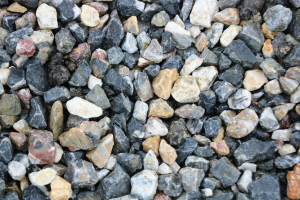
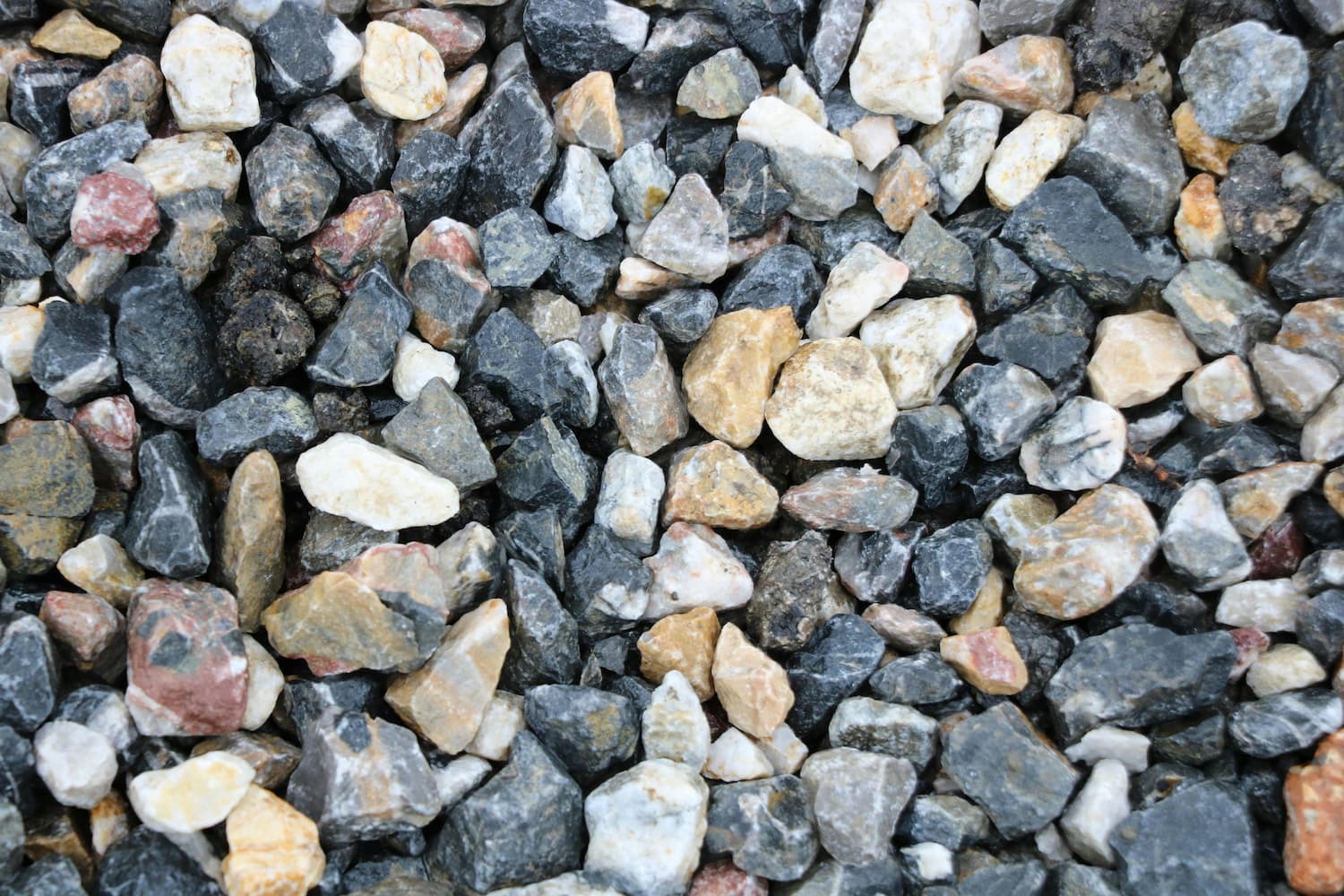
Construction aggregates act as a key building material, including sand, gravel, MOT Type 1, crusher run, and ballast. These all offer support for structures, along with drainage.
In Northamptonshire, where clay-heavy soils are common, a well-compacted sub-base for driveways and
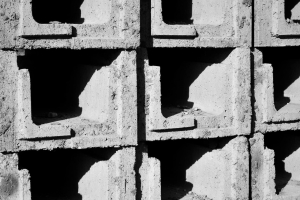
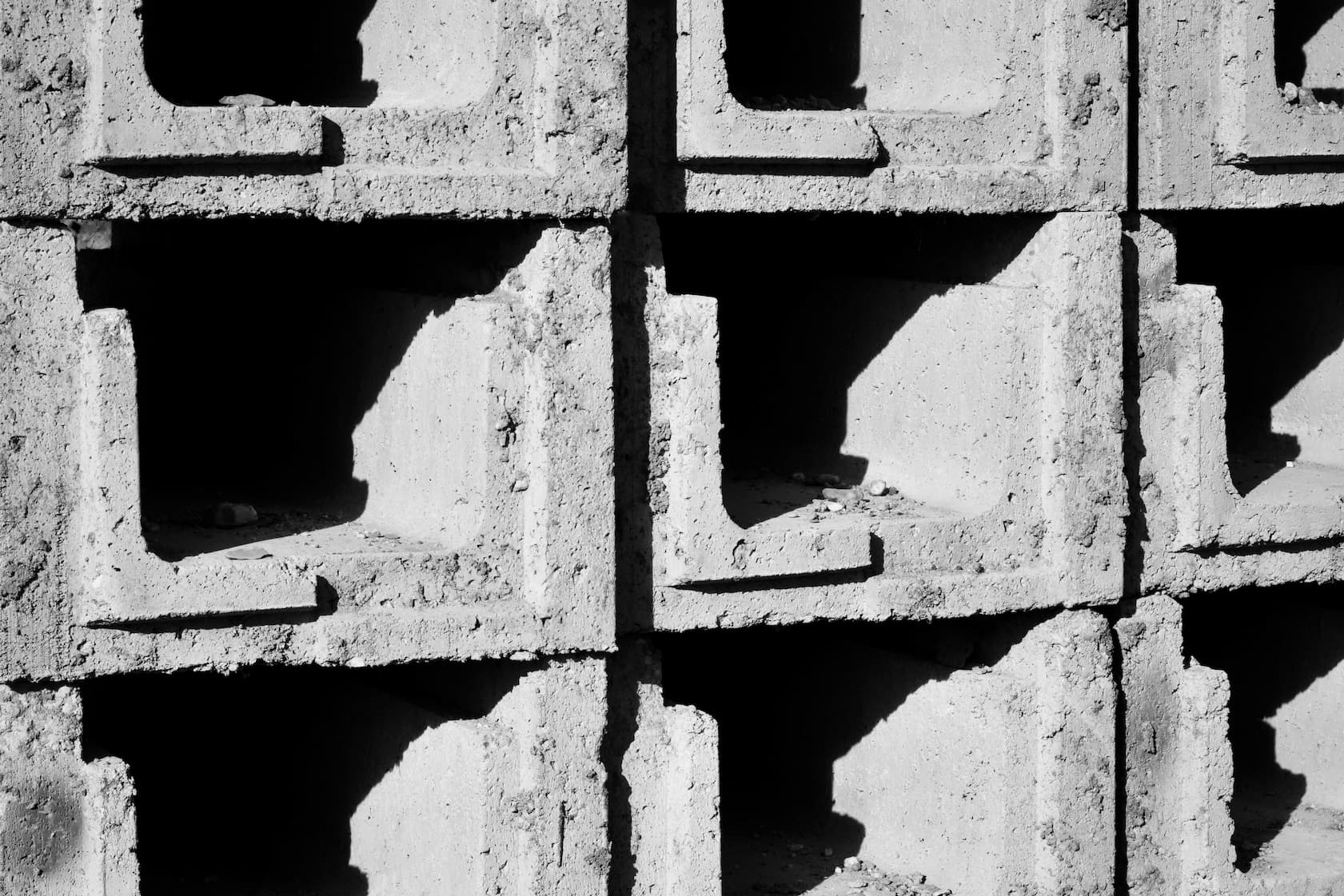
While many may be familiar with dense concrete blocks for fortifying structures, breeze blocks provide many benefits to a variety of decorative and load-bearing applications.
But what parameters make these blocks different, and how can you tell which block is best suited for you?
What Are Dense Concrete Blocks?
Often referred to as either solid dense or high density blocks, dense concrete blocks are made using natural aggregates, like gravel and limestone.
Usually, they range between 1,850 and 2,100 kg/m³ in terms of density and can be purchased in solid, cellular, and hollow formats.
The standard face size across the UK is 440 x 215mm, but bear in mind that thickness can vary from 100mm to 215mm; this depends on the structural demand.
A standard 100mm dense solid block weighs around 20kg, something else to factor in when you’re mapping out labour requirements and manual handling.
Dense Block Advantages
Dense blocks are commonly chosen because of their supreme sound insulation for
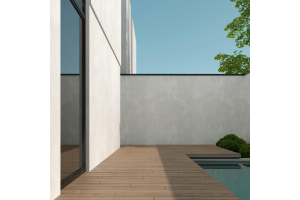
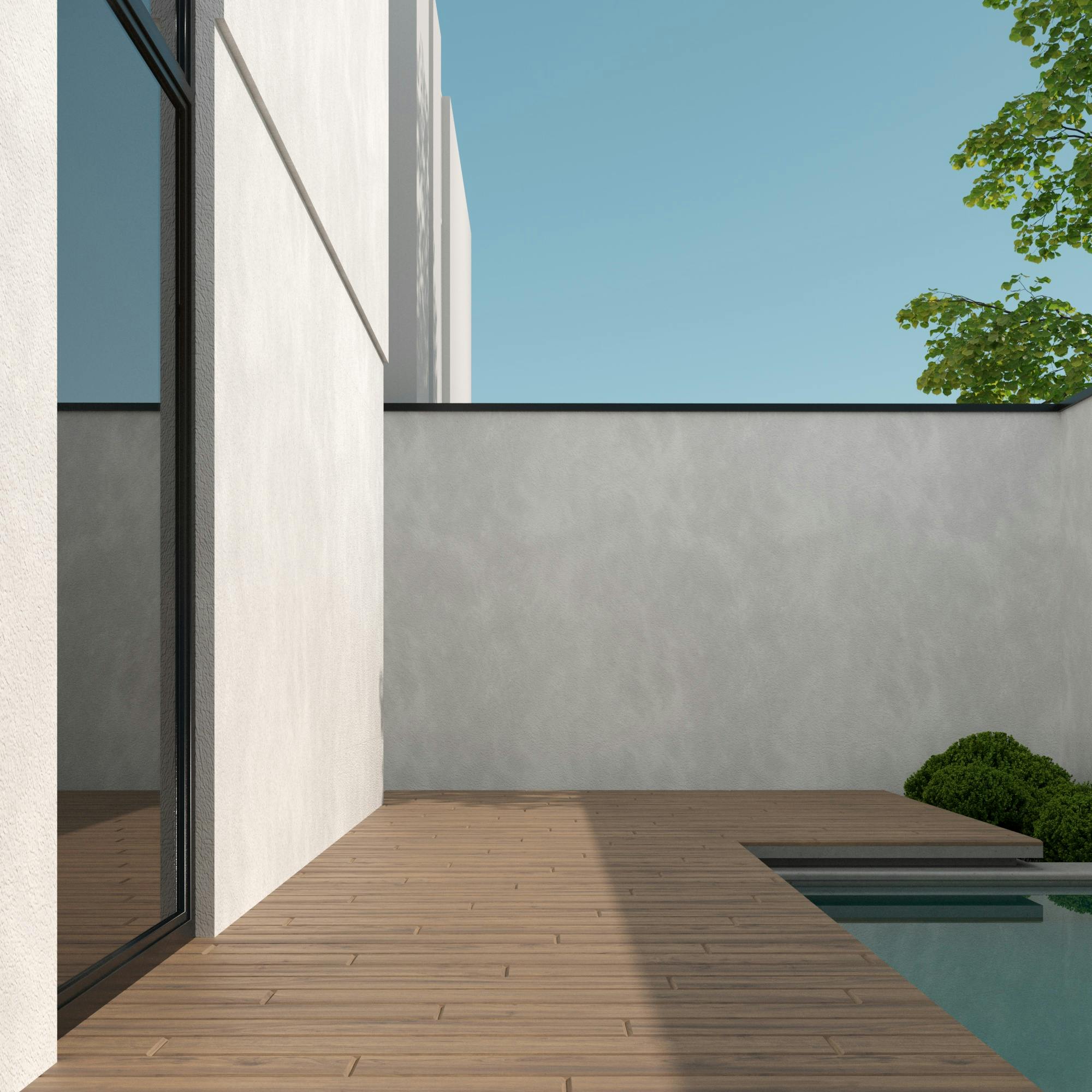
Good decking really sets the tone for the rest of an outdoor space.
Many homeowners in Northamptonshire wonder whether to go for timber or composite decking when planning out a new garden layout.
The reality? It depends on budget, how much upkeep you’re willing to take on, and how you want your outdoor space to look. Our guide covers the comparisons between the two, helping you choose between composite and timber decking.
What Is Timber Decking?
Cut from natural wood, either softwood or hardwood, timber decking has been the most common decking choice in the UK for decades, and still remains the most popular.
The natural grain and earthy tones of timber draw many homeowners to this decking, and for gardens in towns, a traditional kind of vibe aligns brilliantly with period properties; as such, timber often feels like the natural fit.
Softwood options are widely available and cost less upfront. But they require regular treatment to hold up against the wet East Midlands winters. Hardwoods
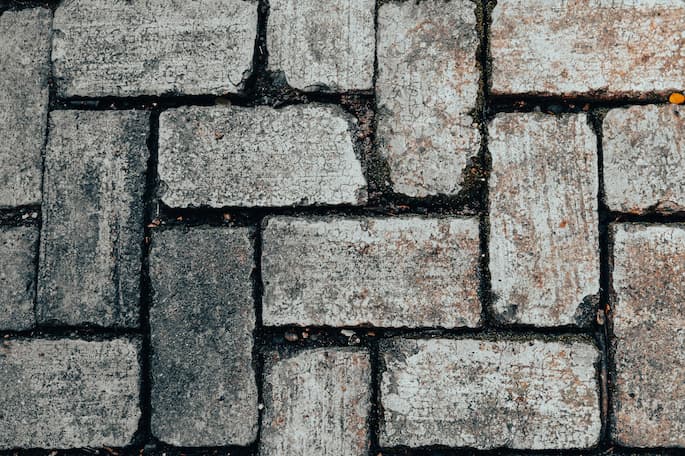
Paving slabs are usually more affordable than decking, both in terms of upfront material costs and maintenance. But the overall price of this particular landscaping project will also depend on the size of the area, the specific materials, and whether you hire a landscaper to help or are planning a DIY project.
Looking for a breakdown of the costs for different slab and decking types? Our guide has everything covered to help you make the best decision for your requirements.
Slabs vs Decking: a Breakdown of the Costs in Northamptonshire
As a rough guide, if you’re planning to fit a standard paved patio in Northamptonshire, it will tend to cost between £50 and £150 per square metre installed. In comparison, decking typically comes in at approximately £100 to £200 per square metre once labour is factored into the equation.
Paving Slabs
Paving slabs offer a wide range of price points depending on whether you go for basic slabs, natural stone or higher-end porcelain. Concrete slabs are the
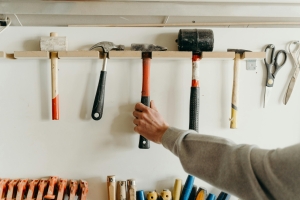
Whether you’re tackling a weekend DIY project or starting a career in a professional trade around the Northamptonshire area, getting a gauge of hand tools is key. Most toolboxes are home to an extensive range of equipment, with each piece designed for a specific purpose, helping with different jobs. Ready to learn more about hand tools and their uses? Let’s look at what each tool does to help you save time and money.
Different Types of Hand Tools
Hand Saws and Cutting Tools
Hand saws are effective for tradespeople and DIY enthusiasts who are cutting things like wood, metal, and plastic, along with other materials where power isn’t needed for cutting.
Completing general timber cutting? A panel saw specifically is the option most go to; its finer teeth per inch (TPI) ensure a finer finish. If you’re cutting metal pipe and fixings, a hacksaw will help you do the job, while a junior hacksaw can be used for smaller, and more precise cuts.
Coping saws and manual jigsaws help with curved cuts
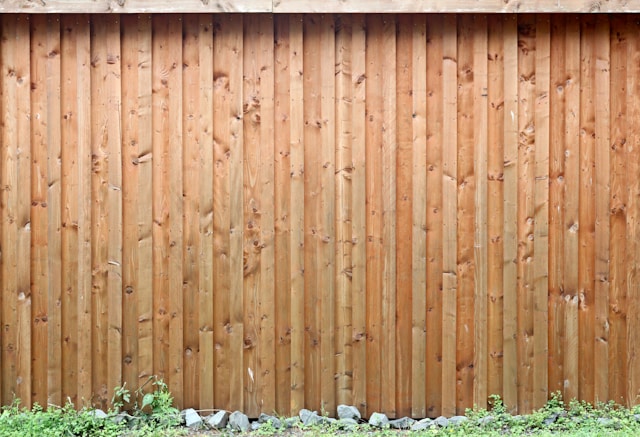
Based on experience as a leading timber and builders merchant in Kettering and Northamptonshire, we find the most affordable style of fencing is typically waney lap (or overlap) fencing, closely followed by chain Link fencing.
But the cheapest option on paper isn’t always the smartest long term decision.
Homeowners and landlords often prioritise practical fencing that provides clearly defined boundaries and security, while still looking presentable and offering the longevity that fences need in the harsh UK climate.
There are many styles, materials and even building methods to consider; it can be difficult to work out which option genuinely offers the best value for money. This guide breaks down the most affordable fencing styles, explains why some options cost less than others, and outlines what you should consider before making a final decision.
What is the Least Expensive Fencing?
When referring to fencing affordability, most people mean the upfront cost of materials, installation,
Leveling a floor involves prepping the subfloor by cleaning and priming, then applying a self leveling compound, also known as screed, or using underlayment for minor, localised, or wooden floor corrections.
When your floor is uneven, it’s important not to ignore it, as it can worsen and cause avoidable damage down the line.
Regardless of whether an uneven floor causes squeaky floor boards and cracked tiles, or doors that are unable to close, it can have a negative impact on both the aesthetic appearance and performance of your interior space.
Ready to learn how to level a floor properly? Read on as the experienced team at Joseph Parr Northants breaks it down.
Why You Must Level a Subfloor
Before you begin to contemplate the finished surface, you should start by considering what’s underneath. A subfloor is the flooring system’s foundation, so if it is uneven, problems will arise.
Here are some of the issues an uneven subfloor can cause:
Cutting concrete blocks can be difficult if you don’t have the tools or experience to back it up. However, there is an array of methods out there for the average DIYer.
The technique that you use should align with your skill level and the type of concrete block that you are cutting. Different blocks handle cutting differently, so making sure you find the right method will ensure that you achieve a clean finish.
Continue reading as we delve into some useful methods for cutting concrete blocks you can implement to do so successfully.
How to Cut Dense Concrete Blocks
Dense concrete blocks are designed for strength and robustness, so power tools are the best approach.
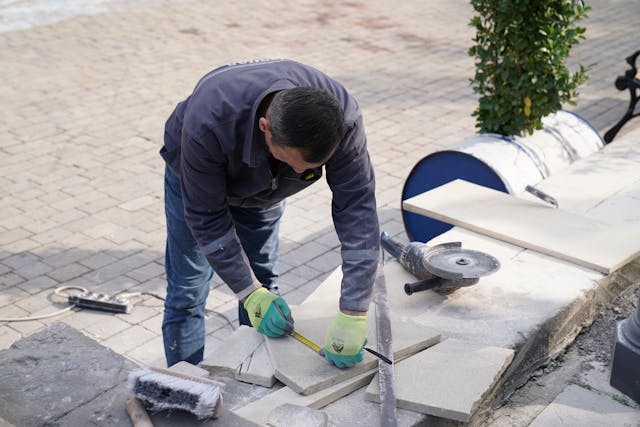
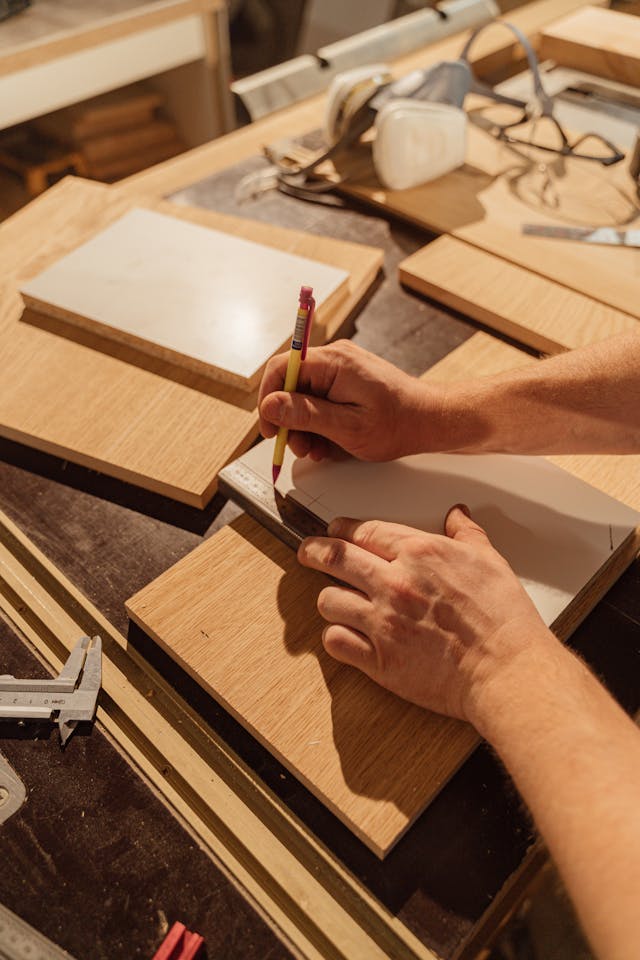
When working with these blocks, mark out the cut line using a pencil and a straight edge. Use an angle grinder with a diamond masonry blade to score along the mark. A shallow first pass will help guide the tool, while also preventing chipping.
Use slow and deliberate passes, letting the blade work through at its own pace. It is
Small details can make a massive difference when finishing a room. You could have a perfectly laid floor and immaculately painted walls, but if your bedroom or living room lacks a tidy skirting board, things just won’t feel complete.
Skirting boards don’t just provide decorative benefits, but also help protect your wall from scuffs and cover uneven edges in the floor.
Whether you’re renovating, redecorating, or installing in a new build, understanding how to fix skirting boards will save time and help you achieve a professional finish.
What is a Skirting Board?
If you’re a homeowner, you likely already know this. Skirting boards run along the bottom of interior walls where the wall meets the floor. It is both practical and aesthetic, shielding your wall from furniture knocks and cleaning tools like vacuum cleaners, while also putting the finishing touches on a room and making it look well-designed.
Coming in a variety of materials and sizes, you can find a skirting board style that suits
Plasterboard is a commonly used material in modern construction due to its affordability, ease of installation, and the smooth surface it can create, which is well prepared for painting.
The prospect of completing a plasterboard project for the first time can feel like stepping into the unknown, which is why we have compiled a useful guide that will help educate you on how to fit plasterboard effectively.
What is Plasterboard?
Plasterboard is a flat panel that is made by pressing a layer of gypsum between two heavy paper sheets.
Also known as drywall or gypsum board, plasterboard offers a quick and efficient way to build interior walls and ceilings, a quicker, less messy alternative to traditional plastering.
It varies in terms of thickness, with a wide variety of different options, including fire-resistant and soundproof options.
Insulated plasterboard improves thermal efficiency by reducing heat loss through walls and ceilings.