
Many of you have let us know you’re in two minds between artificial grass and real grass, and it’s a dilemma that many garden-conscious homeowners throughout Kettering meet.
Ultimately, the choice comes down to what you want for your garden. There isn’t a universal answer for this question. That may make it seem even harder to choose. But, you know your garden best, and this guide will help make it much clearer which one to opt for heading into the summer months.
Is Artificial Grass Worth It?
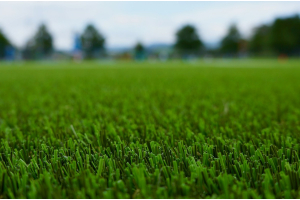
There’s an obvious appeal to artificial grass. Once it’s installed, it looks the part whatever the weather, whatever the time of year, and it doesn’t need mowing or watering. Instantly, this means that if you want a low-maintenance garden and that’s a priority, there’s a good chance artificial grass is the best bet. We should add that some maintenance is required, mainly involving brushing and clearing leaves, although it pales in comparison to the upkeep of real grass.
On top of that, it’s also great for gardens that don’t get much sunlight, as the real thing does need sunlight to thrive. For those in a north-facing outdoor space, synthetic grass can transform a scrappy patch of land into something that looks the part instantly.
Just make sure to consider the upfront cost. A good quality artificial grass isn’t cheap to install, and we do recommend getting something premium for this job to ensure it doesn’t look unconvincing in a couple of years. However, it can be an excellent long-term investment for Northamptonshire gardens.
The Case for Real Grass
You may be thinking artificial grass is the clear option, but real grass does have its benefits as well.
Not only does it absorb rainwater, support soil health, and provide habitat for earthworms and beetles, but it also cools your garden down in the summer. Real grass can be softer underfoot, which can be good for children and pets.
On the downside, a lot of maintenance is needed. Real grass needs mowing through the growing season, watering during dry spells, and the occasional treatment for weeds, moss, or bare patches. If the lawn gets heavy use over winter, it will likely need some recovery work in spring. None of that is particularly difficult, but it does require time and is a constant job.
That said, real grass repairs itself in a way artificial grass never will. A worn patch can be overseeded. Damage from digging or play can be fixed with topsoil and new turf without replacing the whole lawn. The long-term cost of maintaining real grass is generally lower than replacing an artificial lawn at the end of its life.
Real turf also responds to care. A lawn that's fed, aerated, and looked after properly can look genuinely impressive, which many find rewarding.
Side-by-Side Comparison
Feature | Artificial Grass | Real Grass |
Upfront Cost | High: (£30 to £100+ per m² installed). Requires ground excavation and sub-bases. | Low to Moderate: (£15 to £45 per m² installed). Requires basic soil prep and turf/seed. |
Maintenance | Very Low: Just requires brushing, leaf clearing, and rinsing here and there. | High: Regular mowing, watering, weeding, and feeding are required. |
Lifespan | 10 to 20 years: Degrades over time from UV and wear; requires full replacement. | Indefinite: A living organism that constantly self-renews if cared for. |
Repairability | Difficult: Cannot self-heal; damaged areas require noticeable patches or full replacement. | Easy: Bare or damaged patches naturally self-heal with overseeding or topsoil. |
Eco Impact | Negative: Made of plastics, disrupts soil biodiversity, and ends up in landfills. | Positive: Absorbs carbon, filters rainwater, and supports local wildlife/biodiversity. |
Summer Heat | Absorbs Heat: Can become very hot to the touch under direct summer sunlight. | Cools Garden: Water transpires to cool the surrounding air temperature. |
Shade | Excellent: Stays perfectly green and lush in deep shade or north-facing gardens. | Poor: Struggles without sunlight; prone to thinning and moss in the shade. |
Usability | Year-Round: No mud, no puddles, and no grass stains, regardless of the weather. | Weather Dependent: Can become waterlogged or muddy in winter, tracking dirt inside. |
Should I Pick Synthetic Grass or Real Grass?
As we said earlier, it’s really about what you need. If you’re looking for something low-maintenance and aren’t as concerned about the environmental trade-offs, we’d definitely recommend artificial grass. It works especially well in smaller and higher foot traffic areas.
If you value the ‘alive’ feel, real grass is the right option. For those who want to live in an environmentally-friendly way, real grass is a no-brainer.
However, one or the other isn’t always the necessary approach. You can utilise both in different parts of your garden. Think about artificial grass for a shaded area, and a real turf in the main lawn space.
Source Artificial Grass in Kettering
At Joseph Parr Northants, we stock both artificial grass and natural turf, along with the topsoil, fixings, and groundwork materials you need for either option. If you're working on a garden project in Kettering or the surrounding area and want to talk through what's right for your space, contact us.