Good decking really sets the tone for the rest of an outdoor space.
Many homeowners in Northamptonshire wonder whether to go for timber or composite decking when planning out a new garden layout.
The reality? It depends on budget, how much upkeep you’re willing to take on, and how you want your outdoor space to look. Our guide covers the comparisons between the two, helping you choose between composite and timber decking.
What Is Timber Decking?
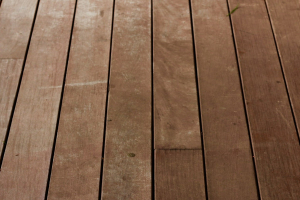
Cut from natural wood, either softwood or hardwood, timber decking has been the most common decking choice in the UK for decades, and still remains the most popular.
The natural grain and earthy tones of timber draw many homeowners to this decking, and for gardens in towns, a traditional kind of vibe aligns brilliantly with period properties; as such, timber often feels like the natural fit.
Softwood options are widely available and cost less upfront. But they require regular treatment to hold up against the wet East Midlands winters. Hardwoods are denser and more resistant to moisture, but also more expensive and still benefit from occasional oiling.
What Is Composite Decking?
Composite decking is manufactured from a blend of recycled wood fibres and plastic, typically high-density polyethylene (HDPE). The result is a board engineered to resist the things that cause natural timber to fail from rot, splitting, fading, and insect damage.
Modern composite boards are designed to give the look of real wood closely, with embossed grain textures and a range of colour options from cool greys to warm teak tones.
The material is now produced in capped and uncapped varieties. Capped composite has a protective polymer sleeve over every face of the board, and this means it is far more resistant to staining and moisture absorption than past options.
What Lasts Longer, Wood or Composite Decking?
When it comes to how long decking lasts, composite is streets ahead of timber alternatives. When properly installed, composite decking can often carry warranties of 20 to 25 years; in practice, these composite boards tend to outlast that amount of years without any huge deterioration.
Hardwood decking can push closer to 25 years with proper maintenance, but it demands more consistent care to get there.
In Northamptonshire, gardens are damp from autumn through spring and summer sun can cause rapid drying and cracking. Composite is resistant to freeze-thaw cycles, giving it a practical advantage that timber simply can't match without significant ongoing effort.
Timber vs Composite Decking: A Detailed Comparison
Timber Decking | Composite Decking | |
Price | Softwood boards typically cost £15 to £30/m². Lower upfront cost makes it appealing for larger Northants gardens on a tighter budget. Long-term costs rise with maintenance materials and any replacement boards. | Materials typically cost £40 to £100+/m² for premium capped boards. Higher initial outlay, but no ongoing treatment costs. Over 10 to 15 years, the total cost of ownership is often lower than that of softwood. |
Longevity | Pressure-treated softwood lasts between 10 and 15 years with regular upkeep. Hardwoods can reach 20 to 25 years, but they demand consistent maintenance. | Most reputable composite products carry 20 to 25 year warranties and often outlast them. Resistant to the freeze-thaw cycles common across the East Midlands, with no rot, splitting, or warping. |
Aesthetics | Natural grain and warmth are hard to replicate. Suits period and cottage-style properties are common throughout Kettering, Oundle, and Rothwell. Will grey and weather noticeably without treatment. | Modern capped boards with embossed multi-tonal grain are convincing and retain colour well for years. Better suited to contemporary extensions and outdoor dining spaces. Wide range of finishes from grey to warm teak tones. |
Maintenance | Requires annual cleaning, sanding, and re-treatment with oil or stain. Missing a single season leads to visible greying and surface degradation. Skipping two or three years can cause lasting damage. | An occasional scrub with warm, soapy water is sufficient. Capped boards resist algae and mould in most conditions. No sanding, no staining, no annual treatment schedule required to maintain warranty. |
Find Premium Decking Materials in Northamptonshire
Neither material is better, so the right choice depends on your priorities. If you want the lowest upfront cost and love the look of natural wood and are genuinely committed to its upkeep, quality timber is a sound option. If you want something that performs reliably year after year with minimal intervention, composite is hard to argue against, particularly given how much the aesthetics have improved.
We stock a premium range of decking here, and welcome you to contact us if you’d like bespoke advice for your landscaping requirements.