Small details can make a massive difference when finishing a room. You could have a perfectly laid floor and immaculately painted walls, but if your bedroom or living room lacks a tidy skirting board, things just won’t feel complete.
Skirting boards don’t just provide decorative benefits, but also help protect your wall from scuffs and cover uneven edges in the floor.
Whether you’re renovating, redecorating, or installing in a new build, understanding how to fix skirting boards will save time and help you achieve a professional finish.
What is a Skirting Board?
If you’re a homeowner, you likely already know this. Skirting boards run along the bottom of interior walls where the wall meets the floor. It is both practical and aesthetic, shielding your wall from furniture knocks and cleaning tools like vacuum cleaners, while also putting the finishing touches on a room and making it look well-designed.
Coming in a variety of materials and sizes, you can find a skirting board style that suits your interior space and complements its other architectural features, whether that be architraves or door frames.
Different Types of Skirting Board
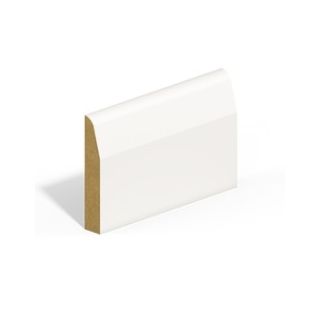
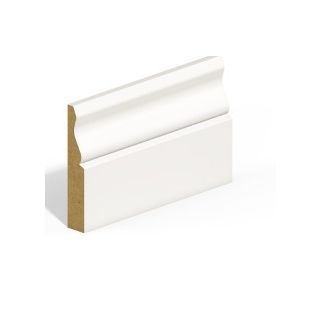
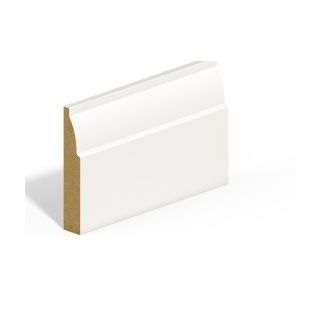
Skirting boards are available in a wide range of profiles, including traditional Ogee, rounded Bullnose, clean Square Edge, and classic Torus, along with more decorative options such as Lambs Tongue and grooved designs. They’re commonly made from MDF, natural timber like pine or oak, or waterproof PVC, with each material and profile suited to styles ranging from modern and minimal to more traditional interiors. There are typically three types of skirting boards:
Skirting board type | Key benefits | Main drawbacks | Best use case |
Low cost. Smooth finish. Easy to cut and shape. Ideal for painting. | Less durable than solid wood. Can swell if exposed to moisture. | Budget projects. Painted interiors. Dry rooms. | |
Lightweight. Easy to work with. Natural grain. Can be painted or stained. | Prone to dents and scratches. Needs ongoing maintenance. | General domestic use. Traditional finishes. | |
Hardwood skirting | Highly durable. Resistant to scuffs and knocks. Premium finish. | Expensive. Harder to cut and shape. | High-traffic areas. Long-term installs. Premium interiors. |
How to Cut Skirting Board
Cutting skirting boards accurately is absolutely essential in order to achieve a neat finish.
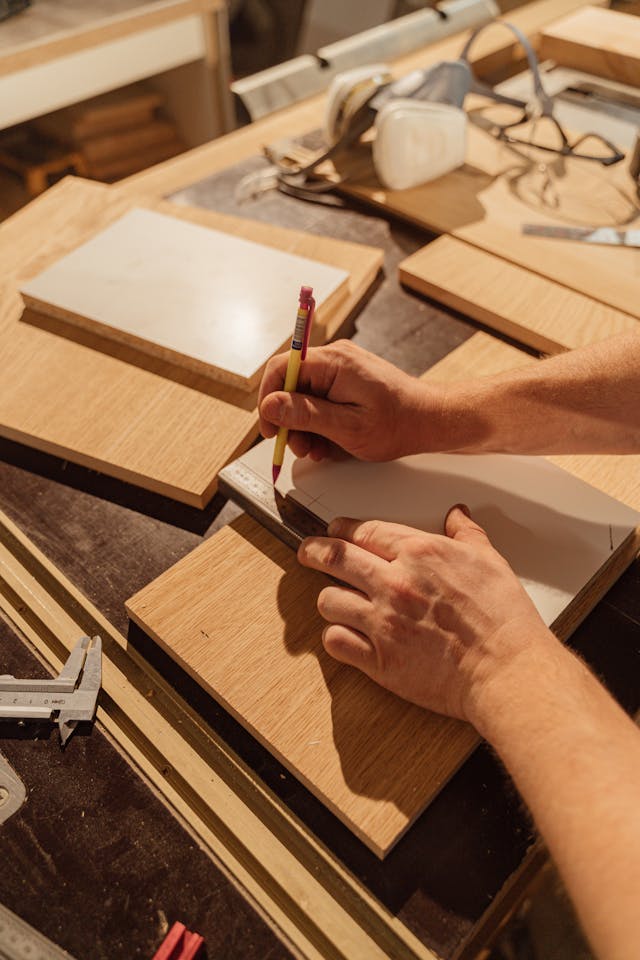
Begin by carefully measuring the wall length and marking the board with a pencil. Use a mitre saw or fine-toothed handsaw for straight cuts, and always cut slightly longer than your measurement at first and trim down to fit perfectly once the board is in place.
By taking your time with measurements and cuts, you can ensure that the boards sit flush against the walls and floors, avoiding messy gaps.
How to Cut Skirting Board Corners
Many people find that cutting skirting board corners is the most difficult part of the whole process. This shouldn’t derail you; you can complete the job properly with either the mitre cut or scribing method.
The former entails cutting the ends of two boards at 45° angles so that they meet neatly at either an internal or external corner. Using a mitre saw or mitre box streamlines the process and will help you ensure a precise fit.
Scribing is a strong choice if the walls are uneven. Hold one board against the wall, and mark the contour of the wall using a pencil. From there, cut the board along the line for a tight, custom fit.
How to Attach Skirting Board
After cutting the boards, you can move on to attaching them to the wall.
Start by applying a construction adhesive to the back of the board; this will provide enhanced stability.
Position the board against the wall and check that it sits flush along the floor before nailing or screwing the board into the wall.
Fit any nail holes or small gaps with wood filler or caulk, and then sand lightly and paint the boards to match the style of your room.
Is it Best to Glue or Screw Skirting Board?
Both glueing and screwing are viable options for skirting boards, but the choice ultimately depends on the wall and board type.
If you have a smooth wall and want a clean finish that hides fasteners, we would recommend glue, but if you want a stronger or more secure fixing (particularly on uneven walls) then screws would be the answer. Both options in conjunction works well too.
Got Any Questions?
We hope this guide has provided you with an understandable breakdown of fixing skirting boards and the various types that are out there.
If you would like to know more about skirting, or want advice on which type would be best for your requirements, please get in touch and we will be happy to help.