
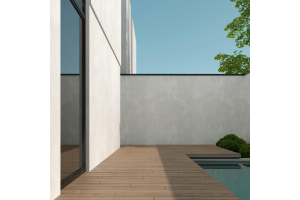
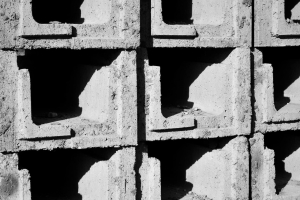

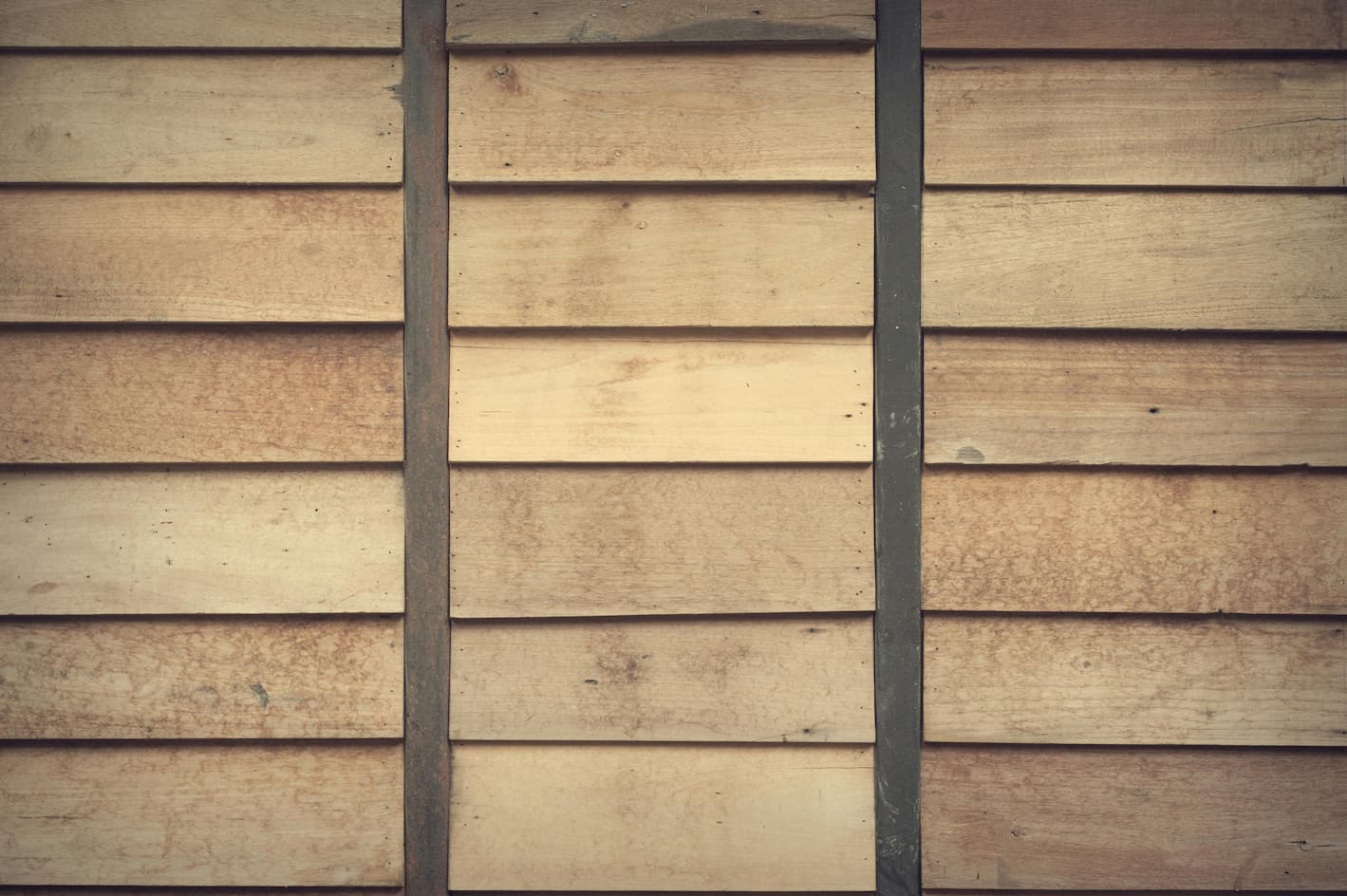
Cladding in buildings is the outer layer that is applied to the exterior of a structure, which provides weather-resistant protection, moisture control, thermal and acoustic insulation, and aesthetic enhancement.
You can find an appearance that suits your building and use a variety of materials for cladding, such as metal, timber, vinyl, brick, fibre cement, composite panels, and glass.
Cladding can also provide structural support to a building. When it comes to selecting the right cladding system, you should take into account factors like fire resistance, maintenance needs, cost, and environmental impact.
Make sure that your cladding system closely follows standard building regulations and fire safety codes. This is particularly important if you’re installing cladding in high-rise blocks or public buildings.
What is Wall Cladding?
Wall cladding provides the finishing layer on the walls of a building. It can increase the lifespan of the wall’s underlying materials by protecting them from general wear and tear.
While functional, it also plays a massive role in the overall character of a building. Providing identity, it enables builders to manipulate colours and textures to achieve the desired final finish.
Wall cladding panels provide an effective means of insulation and can reduce heating or cooling costs, with some cladding materials designed specifically to absorb heat or reflect sunlight.
Its ability to enhance acoustic insulation helps limit exterior noise from reaching the interior, whether that be outside or noise from one room to another.
Cladding for Houses
External wall cladding can help transform the look of your house’s interior.
Many cladding systems feature insulated panels, which provides energy efficiency. This, combined with the curb appeal improvement they provide, not only makes your house more functional and attractive, but also enhances its resell value.
What Does Cladding Look Like?
Due to the array of material options for cladding, its finish can look very different depending on the material chosen:
- Wood cladding- You can use smooth, rough, or wooden tongue and groove cladding. Wood provides a natural, warm, and rustic appearance.
- Metal cladding- Offers a stylish, modern appearance with a smooth texture.
- Vinyl cladding- Bears a strong resemblance to painted wood siding.
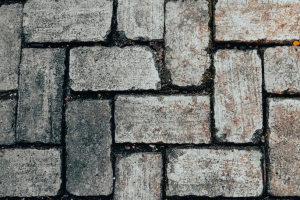
- Brick cladding- Provides a rugged, uneven, and textured appearance.
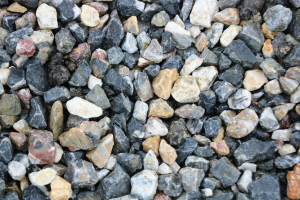
- Stone cladding- Another rugged look, stone cladding adds an earthy finish.
Composite cladding- Imitates the appearance of wood, stone, or metal, while being made with a combination of different materials.
How to Install Composite Cladding
Composite cladding is when two or more base materials are used to create a stronger and more durable exterior layer of cladding.
Here’s a guide on installing composite cladding:
After making sure the wall is clean and dry, inspect it for any damages that will need repairing prior to installation.
Attach vertical larch, cedar, or treated softwood battens. Add a weather-resistant barrier behind in order to shield from moisture and water ingress.
Install starter clips at the bottom and use a spirit level to make sure that they are level in order to guide the first board.
Secure hidden screws onto each board and leave 5-10mm expansion gaps to allow for natural wood movement.
Finish with corner profiles and edge trims. Remember to seal joints to give the cladding a polished and weatherproof finish that protects it from the elements.
Sourcing Cladding For Your Next Project
You can find durable and appealing timber cladding here at Joseph Parr Northants. We have decades of experience in the building trade, and welcome you to get in touch for any additional advice.